Wendy Morris's pick · Updated November 2026
Spoons
Loading photo
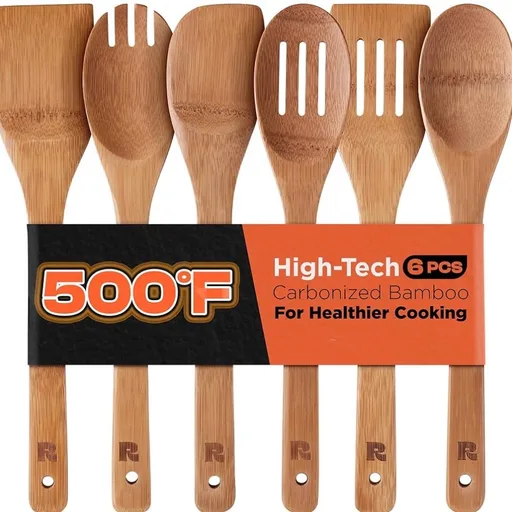
Spoons are one of those small kitchen purchases that only feel minor until the wrong ones start slowing everything down. A good set can make everyday meals easier to serve, stir, portion, and taste, while a weak set can feel awkward in the hand and too flimsy for thicker foods. That makes this a simple product on paper, but not a trivial one in use.
The main reason someone would consider spoons is practicality. They are used constantly, which means shape, balance, bowl size, and material all matter more than people sometimes expect. A standard kitchen set can cover soup, cereal, coffee, sauces, mixing, and serving, while a smaller or more decorative set may be better suited to light use or table service. The right choice usually comes down to how the spoons will be used most often and whether they need to match other flatware already in the drawer.
Material is the first thing worth checking. Stainless steel is usually the easiest all-around option because it tends to be durable and simple to care for. Plastic, wood, bamboo, and coated finishes can make sense in some kitchens, but each one has tradeoffs to confirm before buying. Some are better for nonstick cookware, some need gentler washing, and some are chosen more for appearance than for long-term wear. If a listing does not say much about gauge, finish, or dishwasher safety, that is a good sign to read a little closer before choosing.
Shape matters more than it sounds like it should. A deeper bowl is useful for soup and cereal. A flatter spoon can feel better for sauces or desserts. A handle that is too short may not be comfortable for bigger hands, while one that is too long can feel awkward in a small drawer or crowded utensil holder. For serving spoons, the size and curve of the head matter even more, since a spoon that is too shallow may not move food cleanly. These are the details that separate a decent set from one that stays in regular rotation.
The one limitation to verify is whether the set matches the job you actually need it for. A basic everyday spoon set may be perfect for general use, but not ideal if you want heavy serving spoons, teaspoons with a certain weight, or utensils that work well with very hot food. If you are replacing a mismatched drawer, it helps to count what you already have and check whether this product fills real gaps or just duplicates what is there. That is especially true when the title is broad and the listing does not spell out each spoon type clearly.
There is not much evidence to lean on here beyond the product category itself, so the honest approach is to treat this as a fit question rather than a performance promise. Compare the listed size, material, care instructions, and the number of pieces against your daily routine. If those details line up, a spoon set like this can be a sensible buy. If they do not, it is better to keep looking than end up with utensils that only half fit the way you cook and eat.
Some Amazon links are affiliate links. Wendy Morris may earn a commission from qualifying purchases at no extra cost to you. As an Amazon Associate I earn from qualifying purchases.
See current price