Wendy Morris's pick · Updated November 2026
Chopping board
Loading photo
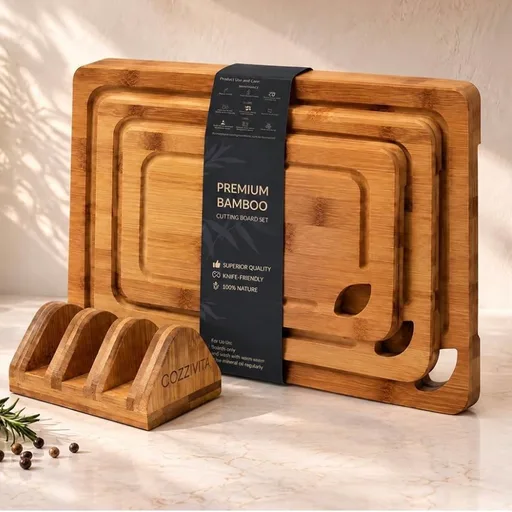
A plain chopping board is one of those kitchen basics that only feels boring until you need a better one. The right version can make prep quieter, cleaner, and less fussy, while the wrong one can slide around, stain too fast, or take up more space than it should. For someone stocking a first kitchen, replacing a worn board, or choosing a backup board for vegetables, bread, or raw meat, this is the kind of item worth a little extra thought.
What matters most is the material and size. Wood can be easier on knife edges and often looks better on the counter, while plastic is usually simpler to wash and separate by task. A smaller board works well for quick prep and tight storage, but it can feel cramped when you are cutting larger produce or building a full meal. A larger board gives you more working room, though it also asks for more storage space and more cleanup. If the board will live in a compact kitchen, those tradeoffs matter more than any marketing claim.
Another thing to check is stability. A board that shifts while you cut is annoying at best and risky at worst, so it is worth looking for a surface that grips the counter well or has feet, texture, or enough weight to stay put. Thickness can matter too. Very thin boards are easier to store, but they can flex or feel less steady. Heavier boards usually sit better on the counter, though they are less convenient to lift, wash, and dry.
Hygiene is the other real decision point. If the board is meant for raw meat, a nonporous surface may be easier to keep separate from other prep jobs. If it is meant for all-purpose use, the main thing to verify is whether the surface is easy to clean without holding onto stains, odors, or knife grooves. That is especially important in a busy kitchen where the board will see repeated use and not just occasional chopping.
The evidence here is limited because no usage notes were provided, so the safest way to read this page is as buying guidance rather than a hands-on verdict. The product title alone does not tell you whether the board is wood, bamboo, plastic, reversible, juice-grooved, or dishwasher safe, so those are the first details to confirm before choosing. A chopping board is a simple purchase, but the simple purchases are where the practical differences show up fastest.
In the end, this may fit someone who wants a basic prep surface and is willing to match the board to how the kitchen actually gets used. If you want something easy to store, easy to wash, or gentle on knives, compare those needs before you buy. If the listed size and material line up with your routine, a good chopping board is the kind of tool that disappears into daily cooking in the best way.
Some Amazon links are affiliate links. Wendy Morris may earn a commission from qualifying purchases at no extra cost to you. As an Amazon Associate I earn from qualifying purchases.
See current price